
Had it been one of my own friends, I would probably have taken her down in a tackle and punched her on the nose a couple of times, but this was a friend of a friend, and I didn’t want to engage in a fight on someone else’s wall. And I am glad I stopped to take a breath before reacting, because when I thought about it, I realized she was right.

Girls’ Education is NOT a magic pill that you can force down the throat of an unwilling society, and expect it to cure centuries of oppression and neglect. Education alone does not make any difference to the status of women in either the household or the community. Education does not necessarily lead to financial independence, and financial independence does not imply social justice.
Though it pains me to say so, educating girls and women is
not ‘The Solution’.
Let us for a moment forget the female foetuses that are killed
in the womb, the female babies that are abandoned soon after birth, and the girls
that are allowed to die due to malnutrition and neglect. Let us think only of
the girls who are lucky enough to be allowed to reach their fifth birthdays.
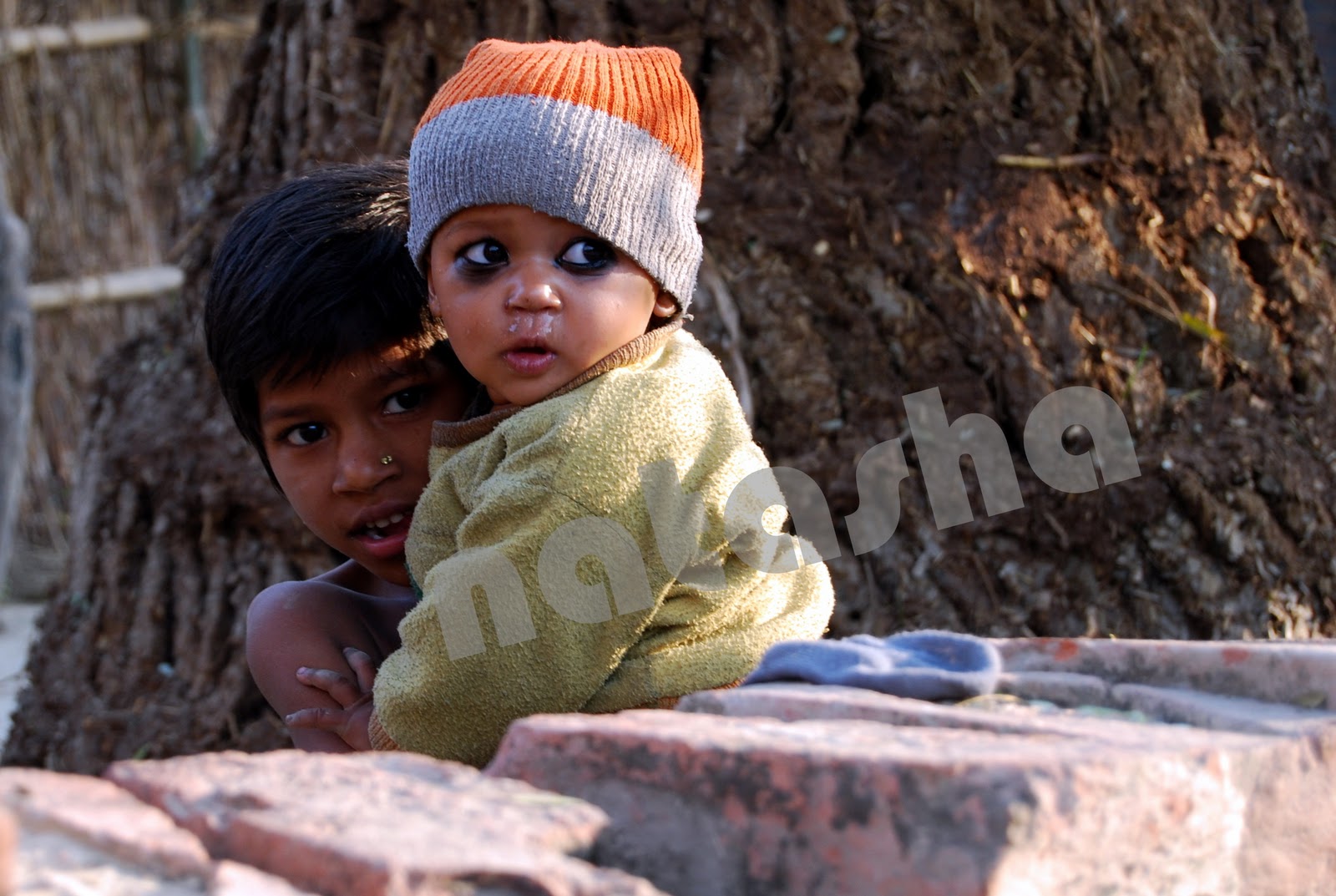
She knows that she will be kept at home to mind a succession of younger siblings, and be married off to a much older man soon after she attains puberty.
She might remember her dreams, and try to ensure her daughters get an education, but dreams are not always something you can afford when you are trying desperately to keep a family together on a meagre income.
Building a school would not have made any difference to Arthi’s life, because her family decided they were better off using her as a full-time unpaid help.
 Let us think about Urmila who managed to stay in school long
enough to graduate. The nearest college is in a city 100 miles away, and even
if they could afford it, her parents would not allow her to leave home for fear
of the stigma that would attach itself to a girl who lived “alone in an alien
city”. Her high school graduation certificate is of no use in helping her get a
job in her village, and she is eventually left with no choice but to allow her
family to marry her off to the first man who will have her.
Let us think about Urmila who managed to stay in school long
enough to graduate. The nearest college is in a city 100 miles away, and even
if they could afford it, her parents would not allow her to leave home for fear
of the stigma that would attach itself to a girl who lived “alone in an alien
city”. Her high school graduation certificate is of no use in helping her get a
job in her village, and she is eventually left with no choice but to allow her
family to marry her off to the first man who will have her.But a high school education did not leave Urmila any better off than she would have been if she had dropped out of school after primary school.
 Let us think about Sukriti who studied and became a teacher
in the local village school. She earns more than any of her brothers, but is expected
to hand over her entire earnings to her father. Few men are willing to even
consider marrying her, and her father deters the few that are because he doesn’t
want to give up on a reliable source of money. She has no say in any of the decisions
that the family makes, she is excluded from social activities because of her
unmarried status, and though she loves teaching young girls, she wonders if
this is the life she expected when she fought society to be allowed to realize
her dreams.
Let us think about Sukriti who studied and became a teacher
in the local village school. She earns more than any of her brothers, but is expected
to hand over her entire earnings to her father. Few men are willing to even
consider marrying her, and her father deters the few that are because he doesn’t
want to give up on a reliable source of money. She has no say in any of the decisions
that the family makes, she is excluded from social activities because of her
unmarried status, and though she loves teaching young girls, she wonders if
this is the life she expected when she fought society to be allowed to realize
her dreams.
Building schools has not made too much of a difference to Arthi,
Urmila or Sukriti. Clearly education is NOT a magic pill. It is not a
magic-pill, because the problem is not a simple one. The status of women is
linked to poverty and to the rural-urban divide. It is the product of generations
of oppression in the household, and centuries of being denied their rightful place
in society.
When the problem is as deep rooted
in tradition and poverty as the condition of women in some parts of the world,
the solution cannot be a simple one. Society needs to accept women as useful
citizens and not merely as breeding machines; families need to move from a patriarchal
mode to a more equitable one; communities need to train themselves to hear the
voice of women. None of that can happen in a day, a month, a decade or even a
generation. Change has to be gradual. Change has to start somewhere. And Education is as good a place to start as any other. Girls who go to school learn to look beyond the constraints a patriarchal society has placed on them. They look at a future beyond the traditional "female" occupations which ultimately boil down to pleasing men in some way, and start thinking for themselves.
And that is definitely the first step towards a change which may well take more than one generation to manifest itself in.
Education of girls and women is not a
magic pill, but it is the logical place to start. And we owe it to Her to start.

_____
All photographs taken by the writer, and not to be used without prior written permission.

_____


